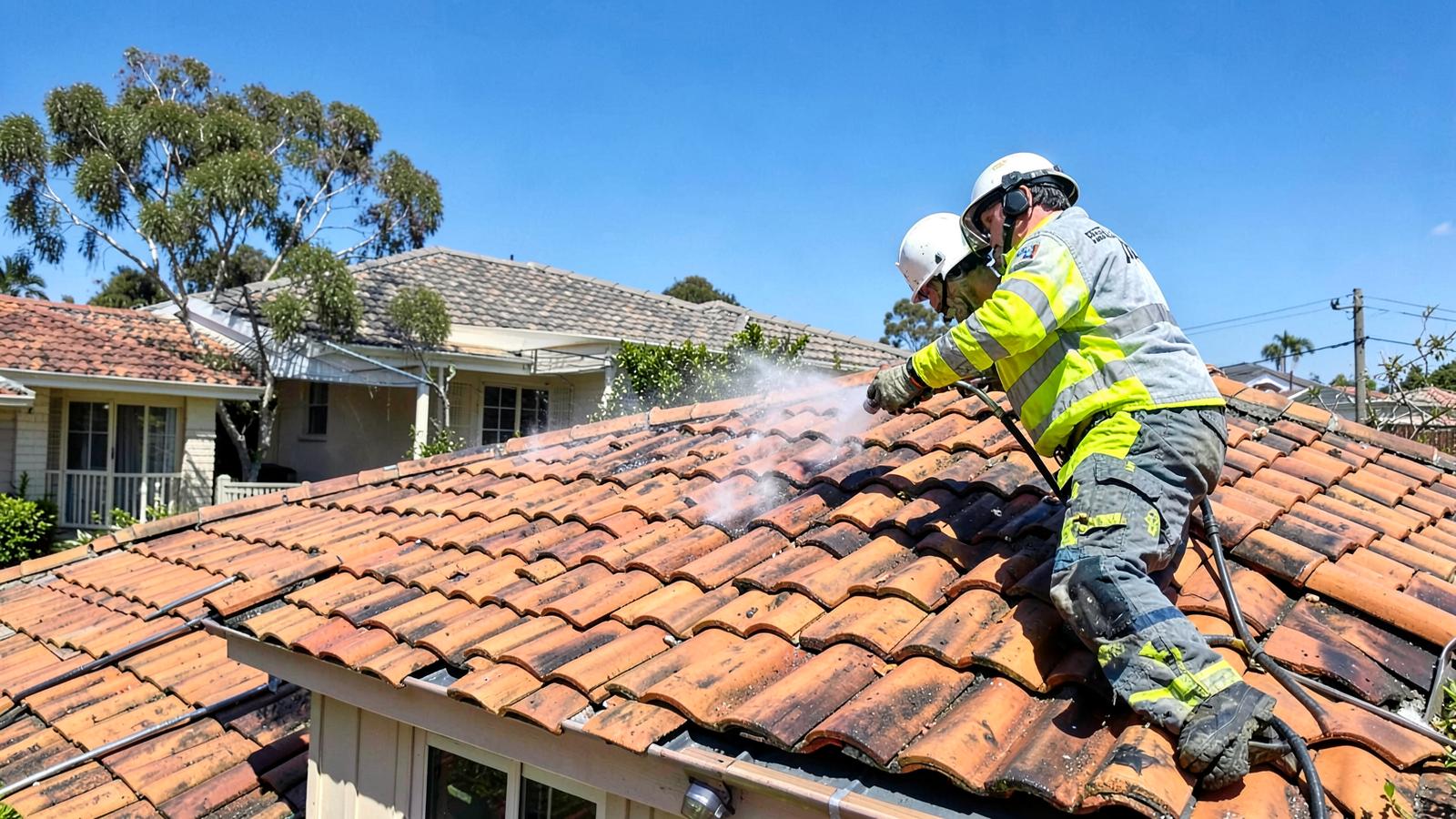
Servicing Toowoomba & Surrounding QLD Areas
Free on-site inspection, photographed findings and a written fixed-price quote before any work starts. No call-out fees, no travel fees, no pressure — anywhere in Toowoomba and the Darling Downs.
Toowoomba City, QLD 4350 · Mon–Fri 7am–5pm, Sat 8am–12pm
Storm and hail damage priority response 24/7
Storm season ahead
Ridge pointing, valleys and gutters can be renewed calmly before the first supercell crosses the range. Preparing a roof ahead of hail season costs far less than repairing one after it, and you are not competing with every other damaged home in the region for a booking.
Toowoomba sits at roughly 700 metres on the edge of the Great Dividing Range, and that single geographic fact shapes every roof in the city. Warm, moisture-laden air pushed west off the coastal plain is forced upward as it hits the escarpment, and the range becomes a reliable trigger point for severe storms through spring and summer. The result is a region that receives large hail more often than almost anywhere else in Queensland, along with damaging wind gusts, sideways rain and, in winter, genuine frost. A roof here is not weathering gently. It is being hit, soaked, heated, frozen and hit again.
That cycle produces a very specific pattern of failure that we see week after week across Toowoomba. Hail impacts leave hairline fractures in concrete and terracotta tiles that look like nothing from the ground and behave like nothing until the next long soaking rain, when they finally admit water. Frost then works into those fractures overnight and expands them. Ultraviolet exposure chalks out the factory glaze or the last coating, and the tile becomes porous, absorbing water, growing lichen and adding weight to the roof structure. Rigid mortar pointing on ridge and hip caps cracks under the same temperature swings, and the highest lines of the roof — the ones that shed the most water — become the ones letting it in.
Metal roofs follow a parallel path. Hail dents Colorbond and corrugated iron without necessarily breaching it, but every dent stretches the coating and creates a flat spot where water sits instead of running off. Rust starts where the protective layer is thinnest: fixings, cut edges, sheet laps and the underside of valleys packed with leaf litter. Because water travels along the underside of a sheet by capillary action, the stain on your ceiling can appear several metres from the actual entry point — which is exactly why leak hunting from inside the house so often fails.
Understanding those mechanisms is the difference between a roof repaired once and a roof repaired repeatedly. We inspect for the cause, not just the symptom: where the water enters, what path it takes, what condition the surrounding material is in, and how long the rest of the roof has left. Then we show you the photographs and let the evidence make the argument.
What we do
Six core services, one standard of work. Every job starts with a free on-site inspection and photographed findings, is priced as a written fixed quote, and finishes with a written workmanship guarantee. Whether you need a single cracked tile replaced or an entire roof brought back from twenty-five years of Darling Downs weather, the process is the same.
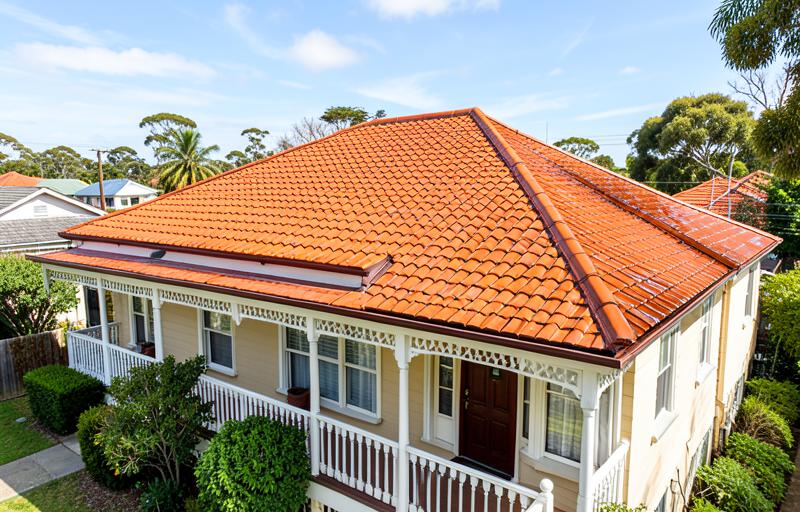
Full roof restoration for ageing or storm-worn roofs across Toowoomba, combining high-pressure cleaning, rebedding and repointing ridge caps, replacing cracked tiles, then priming and sealing with a heat-reflective membrane system. We come to you, inspect on site, and provide a written fixed-price quote before any work begins.
Learn more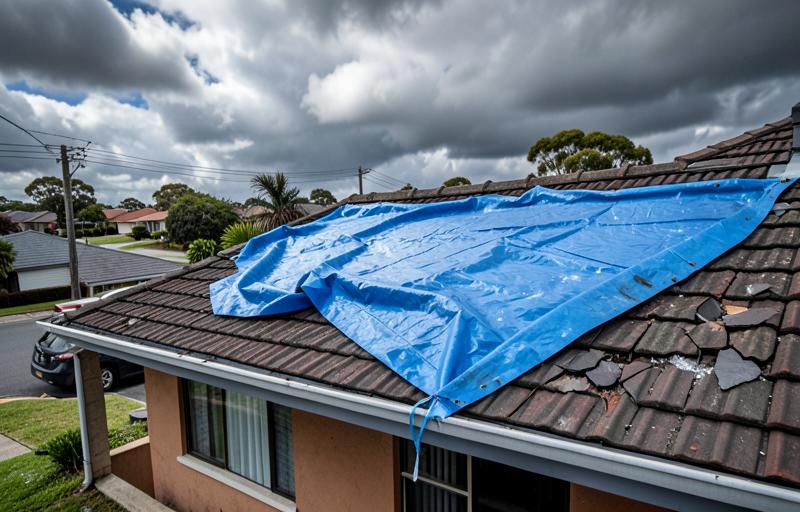
Emergency storm and hail damage roof repair for Toowoomba homes, including cracked tile replacement, dented sheet assessment, emergency tarping, and insurance-ready photographic documentation. We prioritise weather-damaged roofs, make the property watertight fast, and quote permanent repairs as a fixed price.
Learn more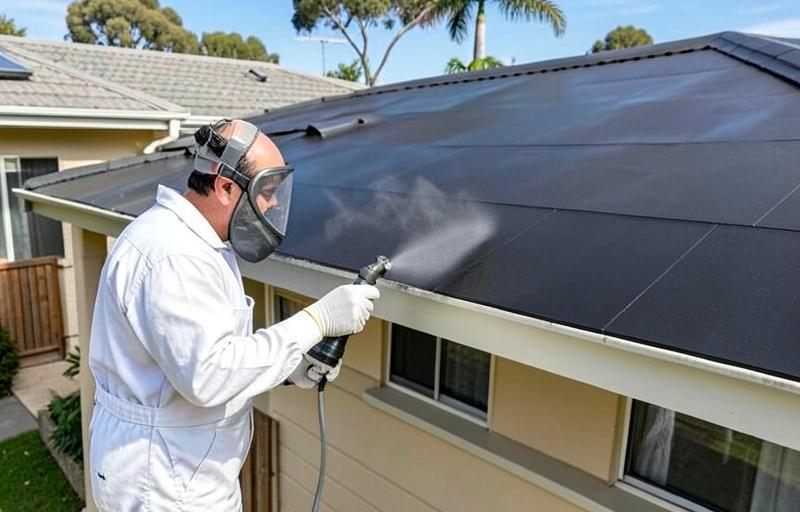
Roof painting and membrane coating services for tile, terracotta and metal roofs across Toowoomba. We use heat-reflective, colour-matched coatings applied over proper preparation, giving your restored roof a durable finish that handles the Darling Downs sun, frost and hail.
Learn more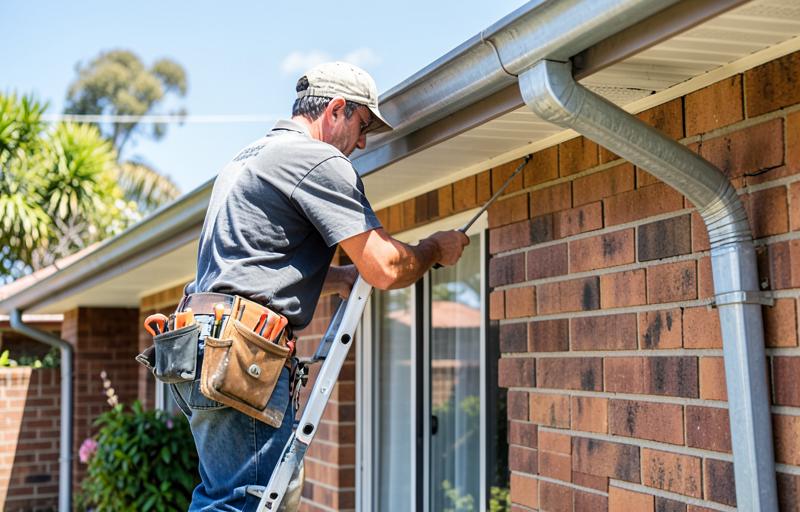
Gutter repairs, full replacement, downpipe upgrades and gutter guard installation to protect your roof restoration. We fix overflow, rust, back-fall and storm damage so water is carried safely away from your Toowoomba roof, walls and foundations.
Learn more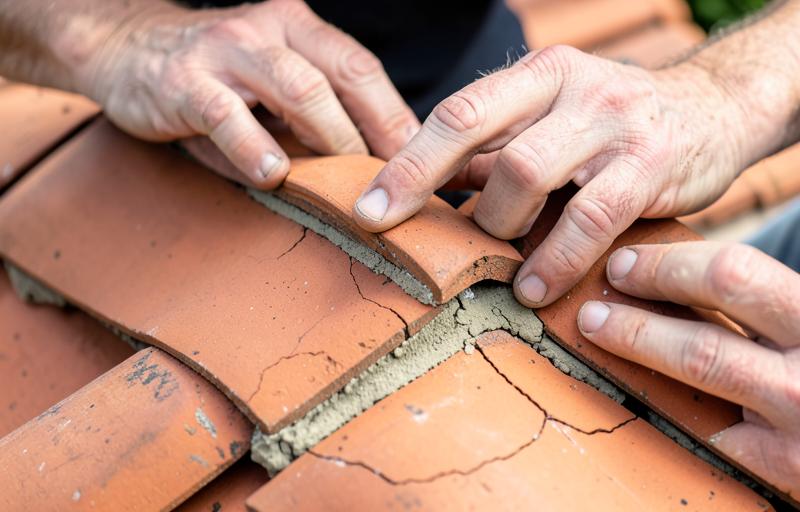
Terracotta and concrete tile roof repairs, including cracked and slipped tile replacement, valley repairs and ridge cap repointing. Our tile work is integrated into a complete roof restoration approach, so the repair lasts as long as the rest of your Toowoomba roof.
Learn more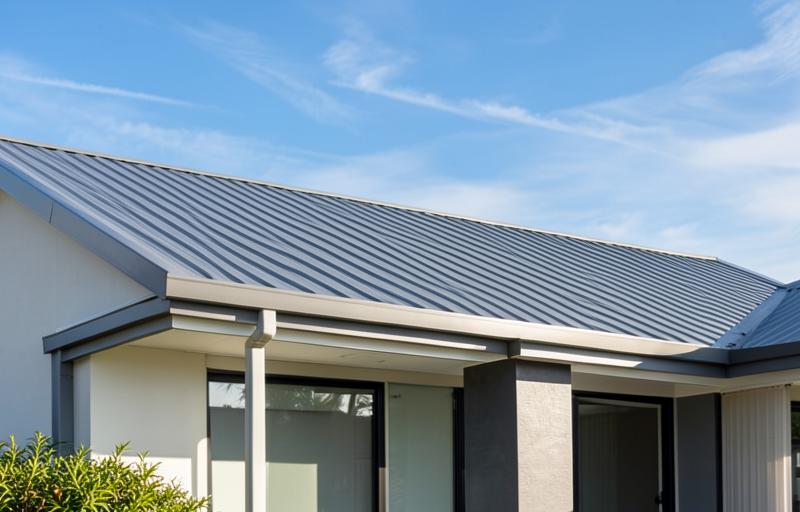
Corrugated iron and Colorbond roof repairs across Toowoomba, covering hail dent assessment, rust treatment, sheet replacement and re-fixing. We prepare metal surfaces properly so any roof painting or restoration coating bonds and performs for years on the range.
Learn moreKnow before it leaks
Roofs rarely fail without warning; they fail after the warnings are missed. Most of the following can be checked from the ground, from inside the roof cavity, or by looking in your gutters. If you can tick two or more, book an inspection before the next storm rather than after it.
A brown ring or a bulge in the plaster means water has already been entering for a while — usually through failed ridge pointing, a slipped tile or a rusted valley.
Hail cracking is often hairline and invisible from the ground. Slipped tiles show as an uneven line along the roof plane and let wind-driven rain straight into the cavity.
If you can see gaps, sand or fallen mortar in the gutters, the bedding under the ridge caps has failed. Ridge lines are the highest point of the roof and the first place water gets in.
When the coating chalks off on your hand, it has stopped protecting the tile underneath. Porous tiles absorb water, grow moss and add weight to the roof structure.
Rust starts at fixings, laps and cut edges. Once it perforates, water tracks along the underside of the sheet and appears metres from the entry point.
Shaded southern roof planes under Toowoomba's mature street trees hold moisture. Moss lifts tile edges and holds water against the surface long after the rain stops.
Overflow in a storm means blockage, back-fall or undersized downpipes. The water goes into the eaves and wall cavity rather than away from the house.
Coarse granules and mortar sand in the gutter are roof material that has left the roof. It is a direct measure of surface breakdown.
Take a torch into the manhole on a bright day. Pinholes of daylight, damp sarking or water-stained timber are all early warnings before the ceiling shows anything.
A dip along a ridge or hip can indicate battens or timbers affected by long-term moisture. This is the one sign that needs looking at immediately.
How it works
A restoration is a sequence, and skipping a step in it is why some roofs look tired again within two summers. This is the order we work in, and the order your written quote is itemised in, so you can see exactly what you are paying for at each stage.
We attend your home, get onto the roof safely, and inspect every plane, ridge, valley, flashing and gutter run. Nothing is diagnosed from the driveway.
Every fault is photographed and explained in plain language, including what will happen if it is left. You see the evidence before you see a price.
An itemised, fixed-price quote covering scope, materials, product names and inclusions. No hourly rates, no 'from' pricing, no surprises later.
The roof is cleaned back to sound surface, removing moss, lichen, chalked coating and decades of grime. Gardens and paths are protected first.
Cracked and broken tiles are replaced with matched profiles, valleys cleared or replaced, flashings re-fixed and gutters corrected where needed.
Ridge and hip caps are rebedded in fresh mortar and repointed with flexible pointing that moves with the roof instead of cracking through the next summer.
A sealing primer followed by two coats of heat-reflective membrane, applied at manufacturer spread rates in suitable weather — not rushed onto damp tiles.
We walk the job with you, clean the site, and hand over your photo record, product details and written workmanship guarantee. You pay when it is finished.
Our specialty
Hail damage is misunderstood because it is mostly invisible. A stone does not need to punch through a tile to ruin it. The impact fractures the tile body beneath the surface, spalls the coating on the leading edge, and knocks loose the fine cement and glaze that makes the surface shed water. From the street the roof looks unchanged. In the gutter you will find grit and coloured granules; on the roof you will find hairline cracks radiating from small circular impact marks, most often on the plane facing the storm's approach.
On metal roofs, hail leaves dents that stretch the paint film and create shallow pans where water pools. Wind that accompanies the storm lifts sheet edges and works fixings loose, and the following week's rain finds the fresh gaps. Ridge capping, whirlybirds, solar mounts and skylight flashings take a disproportionate share of the damage because they interrupt the roof plane.
The critical window is the first 48 hours. Make safe first — temporary covering over an open section prevents thousands of dollars of ceiling, insulation and cabinetry damage. Photograph everything before it is touched or cleaned up. Then get a professional inspection with dated photographs of every plane, because assessors work from evidence, and evidence gathered after the debris is cleared is worth far less.
We provide that documentation as a matter of course: a written report, photographs organised by roof section, a description of the failure mechanism, and an itemised scope of works. What your policy pays is between you and your insurer — we do not make claims or promises on their behalf. What we can do is make sure the damage is properly recorded and properly repaired.
⚡ Storm or hail damage? Priority response available
Free on-site inspection, photographic documentation and a written fixed-price quote. We come to you anywhere in Toowoomba and the Darling Downs.
Transparent pricing
These are realistic Toowoomba ranges, GST inclusive, for a typical single-storey home with a roof area around 200m². They exist so you can sanity-check any quote you receive, including ours. Your own figure comes from the free on-site inspection and is fixed in writing before work begins.
| Work | Typical range (incl. GST) | Notes |
|---|---|---|
| Minor repairs (tiles, pointing patch, small leak) | $200 – $1,000 | Half-day to one day on site |
| Major storm & hail repairs | $1,000 – $3,500 | Multiple planes, valleys or sheet replacement |
| Full ridge rebed & repoint | $1,500 – $3,500 | Depends on total ridge and hip metres |
| Roof painting / membrane coating | $2,500 – $6,000 | Clean, prime and two coats |
| Full roof restoration | $4,000 – $10,000 | Standard 200m² roof, three to five days |
| Gutter replacement | $1,500 – $4,500 | Per house, includes downpipes |
Straight answers
This is the most common question we are asked, and the honest answer depends on evidence rather than sales preference. Here is the framework we use on every inspection.
Localised damage on a structurally sound roof
A handful of cracked or slipped tiles, one failed section of pointing, a rusted valley, a leaking flashing. The rest of the roof still has years of service left and the coating is intact. Repairing is the right call — restoring a sound roof to fix one leak is money wasted.
Widespread surface breakdown, sound structure
Cracking or porosity across multiple planes, pointing failing along most ridge lines, moss established, colour chalked out — but battens, timbers and the tile bodies themselves are still serviceable. Restoration resets the roof's protective layer for a fraction of replacement cost.
The structure or substrate itself has failed
Battens or rafters affected by long-term moisture, widespread perforation on a metal roof, an obsolete tile profile with no matched replacements available, or a roof that has already been restored once and reached the end of its second life.
Where two options are both genuinely viable, we quote both and set out the ten-year cost of each so you can make the decision on numbers rather than on a recommendation you have to take on faith.
Materials & workmanship
Roof coatings fail for two reasons: poor preparation and under-application. Both are invisible on the day the scaffolding comes down and obvious two summers later. That is why our quotes name the actual products and the number of coats, and why the sequence is never compressed to finish a job faster.
Tile roofs are cleaned back to sound substrate, allowed to dry, then sealed with a penetrating primer that binds the porous surface before any colour goes on. Ridge caps are rebedded in fresh mortar where the bedding has failed — not simply pointed over, which hides a moving cap behind a rigid crust. Flexible pointing compound is used because it accommodates the daily expansion of a roof that can swing thirty degrees between a Toowoomba morning and afternoon.
Metal roofs are degreased, rust is treated back to sound metal, fixings are replaced rather than re-tightened where the seal has perished, and primers are matched to the substrate. Heat-reflective topcoats are applied at the manufacturer's specified spread rate, which is the single most common shortcut in the industry and the easiest one to verify in a written quote.
At handover you receive the product names and batch documentation, the photo record of the work, and a written workmanship guarantee. If something is not right, you have the paperwork to point at — and we would rather come back and fix it than argue about it.
Why us
We photograph everything we find on your roof and show you before you approve a dollar of work. If your roof does not need restoring, we tell you that too.
Itemised and fixed before work begins, with products and coat counts named. Nothing changes without your written approval — no mid-job variations.
Every completed job comes with a written workmanship guarantee alongside the manufacturer product warranties. You pay only when the work is finished.
Active leaks and open roofs are triaged ahead of scheduled work, 24/7, during and after major weather. That is the whole point of a local crew.
Range-edge exposure, frost, black-soil movement on the flats, obsolete tile profiles in the older suburbs — we work on these roofs every week.
A mobile service across Toowoomba and the Darling Downs. No call-out fee, no travel fee, no charge if you decide not to go ahead.
Where we work
We are a mobile roofing service — we come to you anywhere in Toowoomba and the Darling Downs, with no travel fees and the same written fixed-price guarantee in every suburb. Each suburb page below sets out the housing stock, the roof problems we see most often there, and typical response times, because a 1950s tile roof in Newtown and a new estate Colorbond roof in Highfields fail in very different ways.
Outside these suburbs but still on the Downs? Ask — we travel further than the list suggests and will tell you honestly if you are beyond our range.

Timing matters
Peak severe storm season on the range. Supercells build over the escarpment through the afternoon and large hail is at its most likely. Any roof work you were putting off should already be done. If it is not, book the inspection now rather than joining the queue after the first event.
Heat, humidity and heavy downpours. This is when marginal roofs finally leak, because sustained rain finds every hairline crack and every back-fallen gutter. Ceiling stains that appear in January almost always trace back to damage from the previous spring.
The best working window of the year. Mild temperatures and stable weather give primers and membranes ideal curing conditions, and the storm queue has cleared. If you want an unhurried, well-cured restoration, this is when to book it.
Frost on the range works into existing cracks and widens them, and short cold days slow coating cure. Repairs and rebedding still proceed comfortably; full coating work is scheduled around the weather rather than forced through it.
Whatever the season, maintenance beats repair on cost every single time. A gutter clean and a twenty-minute inspection twice a year — once before spring storms, once after the summer wet — catches nearly everything on this page while it is still cheap.
Questions
Minor repairs typically run $200–$1,000, major storm repairs $1,000–$3,500, and a full restoration $4,000–$10,000 for a standard 200m² roof (all incl. GST). The final number depends on roof size, pitch, tile or sheet condition, how much rebedding and repointing the ridge lines need, and access. Every job starts with a free on-site inspection and a written fixed-price quote, so you know the exact figure before any work begins.
Yes — we service all of Toowoomba and the surrounding Darling Downs, from Newtown, Rangeville and East Toowoomba through to Highfields, Westbrook and Pittsworth. We come to you, and there are never travel or call-out fees within our service area.
Storm and hail damage gets priority response 24/7 during and after major weather events. Active leaks and exposed roof cavities are triaged first, because water in a ceiling causes more damage every hour it continues. For non-urgent work we respond to enquiries within one hour during business hours (Mon–Fri 7am–5pm, Sat 8am–12pm).
Yes. We provide detailed inspection reports with dated, photographic documentation formatted for insurance assessors, plus make-safe work with itemised receipts. We document what we find and what we did — the evidence your insurer needs to assess the claim properly. We are not insurance advisers and we never tell you what your policy will pay; your insurer decides that.
It depends on three things: how widespread the damage is, the remaining service life of the roof system underneath, and the ten-year cost of each option. A handful of cracked tiles on an otherwise sound roof is a repair. Cracking spread across multiple planes, with failed pointing and a coating that has chalked out, is restoration territory. Our inspection photographs the whole roof and quotes both options where both are genuinely viable.
Yes. The on-site inspection, the photo documentation and the written fixed-price quote are all free and obligation-free, anywhere in our Toowoomba service area. There is no call-out fee and no charge if you decide not to proceed.
A standard tile roof restoration usually takes three to five working days: high-pressure clean, repairs and tile replacement, rebedding and repointing of ridge caps, then primer and two coats of membrane. Weather extends that — we do not spray coatings onto damp tiles or ahead of a storm front, because it will not cure properly.
Most Toowoomba leaks come from failed ridge pointing, cracked or slipped tiles, rusted valley irons, blocked or back-fallen gutters, or perished flashings — all of which are repaired within a restoration. A roof needs replacement when the battens or structure are compromised, when a metal roof has perforated across large areas, or when the tile profile is obsolete and unrepairable. We tell you honestly which one you are looking at.
Yes. Metal roofs are prepared differently to tile — degrease, treat rust back to sound metal, prime with an etch or metal primer, then apply a heat-reflective topcoat rated for the substrate. Skipping the preparation is why so many resprayed metal roofs in Toowoomba flake within a couple of summers.
We sheet and protect landscaping and paths before the high-pressure clean, collect debris as we go, and clean gutters and downpipes of the slurry a roof clean produces. Your site gets a final tidy and a walk-through before we ask for payment.
Autumn and early spring are ideal: mild days, low humidity and stable weather give coatings the best cure. Winter frosts slow curing on the range, and summer is storm season — the worst time to discover your roof needs work. If you are planning ahead, book the inspection before the storm season, not during it.
Yes. Every completed job comes with a written workmanship guarantee, and the coating products we use carry their own manufacturer warranties. You get both in writing with your final documentation.
Guides
Real 2026 roof restoration prices for Toowoomba homes — repair and restoration bands, what drives cost up or down, and how to read a roofing quote.
Toowoomba's September–February hailstorm window is open. The complete pre-season checklist for your roof, gutters, insurance documents and emergency plan.
How hail damage insurance claims actually work in Queensland — assessors, scope of works, emergency repairs, common disputes and how to protect your claim.
We come to you anywhere in Toowoomba and the Darling Downs, and reply within one hour during business hours. Free inspection, photographed findings, written fixed price — no obligation.