
Why Toowoomba Gets Queensland's Worst Hailstorms (And What It Means for Your Roof)
By The Roof Restoration Toowoomba Team · 27 August 2026
The Geography of a Hail Corridor
Toowoomba sits at around 700 metres on the crest of the Great Dividing Range. Supercell thunderstorms intensify as air is forced up the escarpment, and the city's elevation puts roofs closer to the hail formation zone — stones spend less time melting on the way down. The Bureau of Meteorology records the Darling Downs among Queensland's most hail-active regions, with the September to February window producing the most severe events.
What Hail Does to Each Roof Material
- Concrete tiles: corner fractures and hairline cracks that leak slowly
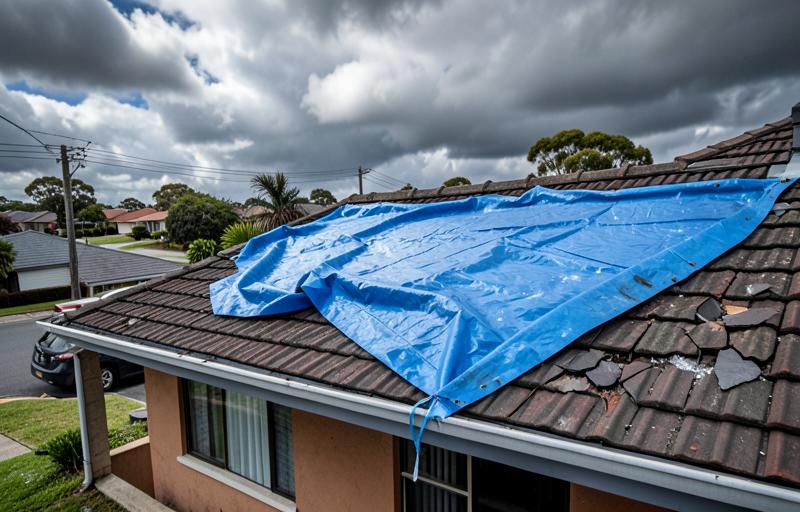
- Terracotta tiles: shattering and spalling; aged terracotta is most vulnerable
- Colorbond: denting that is usually cosmetic but cracks seals at fixings and flashings
- Ridge pointing: impact fracturing that breaks the waterproof cap
- Gutters: denting, bracket deformation, and blockage from shredded leaf matter
Building Hail Resilience Into Your Roof
Modern flexible pointing compounds absorb impact that shatters old mortar. Quality membrane coatings add a resilient layer to tile surfaces. Secure, well-fixed metal roofing sheds hail better than tired sheeting with loose fixings. None of this makes a roof hail-proof — but the difference between 'cosmetic damage' and 'ceiling collapse' is usually preparation.
Pro tip: after any hail event with stones larger than about 2cm, book an inspection even if nothing looks wrong. Impact fractures in tiles and pointing are invisible from the ground and leak all summer.
Living With the Season
The practical rhythm for Toowoomba homeowners: pre-season inspection in August–September, post-event check after any significant storm, and full condition assessment every two to three years. Our storm damage service is built around exactly this cycle.
Key takeaway: Toowoomba's hail isn't bad luck, it's geography. Roofs here need to be maintained for impact, not just for rain.